



🤖 ModelScope | 🤗 HuggingFace | 💻 GitHub | 📑 Qwen-Image-2.1 博客 | 🫨 Discord | 💬 微信
简介
Qwen-Image-2.1-Turbo 是 Qwen-Image-2.1 的加速检查点,用于文本生成图像和图像编辑,仅需 8 步去噪。它采用相同的 7B 视觉生成架构,并可直接在 Diffusers 中通过 QwenImage21Pipeline 加载。
该检查点包含其推荐的采样调度计划,因此无需手动配置调度器即可直接使用。默认使用 CFG=1 进行生成,并且前缀 KV 缓存会在去噪步骤之间复用文本和参考图像的上下文。
更多详细信息,请参阅 GitHub 仓库 和 Qwen-Image-2.1 博客。
快速开始
安装
安装兼容 CUDA 的 PyTorch 构建版本,然后安装最新的 Diffusers 源码及以下依赖:
pip install git+https://github.com/huggingface/diffusers.git
pip install "transformers>=5.17.0" accelerate pillow
此检查点需要支持流水线配置的采样 sigma 值的 Diffusers 版本,该功能已在 PR #14950 中添加。
文本生成图像
从 Hugging Face 加载检查点:
import torch
from modelscope import QwenImage21Pipeline

pipe = QwenImage21Pipeline.from_pretrained(
    "Qwen/Qwen-Image-2.1-Turbo",
    dtype=torch.bfloat16,
).to("cuda")

prompt = "A vertically oriented educational chemistry study poster fills the frame, designed like a hand-drawn classroom notes page with a clean white background, thick dark navy-blue outer border, and thin inner navy rectangular border lines. The overall aesthetic is colorful, high-contrast, and hand-lettered in a signature Topper style using marker and watercolor effects. At the top left, a small header in black handwriting reads \"Topper’s Notes\", accented by short decorative navy strokes radiating from it. Centered across the top is the main lesson heading in large stylized black-and-yellow bold lettering: \"Science – Chapter 1:\" followed below by the much larger title \"Chemical Reactions and Equations\". The title has energetic yellow highlighter strokes underneath and small sparkle doodles nearby. At the top right, inside a small outlined page-number box, the label reads \"Page X\". Below the header, a wide rounded rectangle framed in dark navy contains a pink brush-stroke highlight banner with the subheading \"IMPORTANT CHEMICAL EQUATION:\" in black. Inside the same equation panel, the reaction is written very large as \"Fe + CuSO₄ → FeSO₄ + Cu\". The symbol \"Fe\" is highlighted in bright orange with an underline, \"CuSO₄\" is vivid blue and underlined, \"FeSO₄\" is bright green and underlined, and \"Cu\" is metallic bronze and underlined. Beneath the left side of the equation is a lavender rounded label connected by a leader line to the iron component; it says \"Reactants\" and below it \"(before the reaction)\", with \"Reactants\" colored purple and underlined. Beneath the right side is a matching pale-green rounded label connected by a leader line to the products; it says \"Products\" and below it \"(after the reaction)\", with \"Products\" colored green and underlined. Along the lower part of this equation box are stylized ball-and-stick molecule models and atomic orbital drawings: a silver-gray sphere labeled \"Fe\" sits left of center, another cluster shows gray, red, and white spheres representing sulfate groups around blue and green atoms, and a copper-colored sphere appears near the right. Small atom-and-orbit icons sit along the bottom edge of the panel in blue, green, and brown outline styles. The middle portion is enclosed by a large dashed green rounded rectangle titled \"REACTIVITY CONCEPT\" in green uppercase letters with decorative rays. On the left side of this section, a stepped vertical reactivity-series ladder is drawn with alternating colored horizontal blocks. From top to bottom it lists \"K\", \"Na\", \"Ca\", \"Mg\", \"Al\", \"Zn\", \"Fe\" with a green oval callout reading \"(More reactive)\", then continues downward with \"Cu\", \"Ag\", \"Hg\", \"Pt\", \"Au\" with an orange oval callout reading \"(Less reactive)\". Each step is marked by a dark upward-pointing triangular arrow, showing decreasing reactivity downward. In the central-right area, full body text as follows: \"Iron (Fe) is higher in the reactivity series than Copper (Cu). This makes Iron more reactive.\" Below this definition is a visual arrow sequence of overlapping circles: orange \"Fe\" overlaps blue \"Cu\", followed by a red arrow pointing toward the phrase \"→ More displacement ↓ less reactivity\". Under it, a prominent statement in dark handwriting reads \"More reactive element displaces less reactive element\", emphasized with a bright pink marker underline. On the right, a shield-like badge with a navy outline and light interior contains the bold contrasting font label \"DISPLACEMENT REACTION\". Below the badge, full body text as follows: \"A more reactive element displaces a less reactive element from its compound.\" The badge includes an internal miniature illustration of circular electron shells and colored particles, reinforcing the chemistry theme. Directly below the reactivity concept box, a smaller rounded rectangular table titled \"PROPERTY COMPARISON\" compares Iron and Copper. The table has three columns: \"IRON (Fe)\", \"COPPER (Cu)\", and a central property column. Row one reads \"Reactivity series position\" with Iron shown as \"Higher (more reactive)\" and Copper shown as \"Lower (less reactive)\". Row two reads \"Displaces hydrogen from acids\" with Iron marked \"Yes\" and Copper marked \"No\". Row three reads \"Displaced by other metals\" with Iron shown as \"Displaced by Zn, Mg, Al, etc.\" and Copper shown as \"Displaced by Fe, Zn, Mg, etc.\". Row four reads \"Oxidation tendency\" with Iron shown as \"Gets oxidized easily\" and Copper shown as \"Does not get oxidized easily\". Row five reads \"Useful property\" with Iron described as \"Used where strength & corrosion resistance needed\" and Copper described as \"Used where conductivity & corrosion resistance needed\". The table uses thin navy grid lines, orange tinting for the iron column, pale blue tinting for the copper column, black condensed handwriting, and green checkmarks next to positive traits and red crosses next to limitations. The lower half introduces a large illustrated experiment section with a cream highlight behind the title \"BEFORE/AFTER IRON NAIL EXPERIMENT\" in bold dark navy uppercase letters. The section is split visually into a left \"Before\" state and a right \"After\" state. On the left, a beaker filled with bright blue solution contains a shiny silver iron nail standing diagonally. The beaker label reads \"CuSO₄(aq)\" in blue, and the bottom label near the nail reads \"Fe(s)\". A rounded annotation box beside the beaker says \"Initial State: Blue Solution & Silver Nail\". Two glass test tubes stand to the right of this beaker: the upper test tube is filled with blue solution and labeled \"CuSO₄(aq)\", while the lower one contains a pale green liquid. Red and blue directional arrows connect these visual elements to explanations: one red arrow points toward the nail with the text \"Copper gets deposited\", and one blue arrow points toward the liquid with the text \"Solution turns pale green\". On the right side of the experiment section, another beaker shows the after state with the iron nail now coated in brown copper deposits. Its solution is faded to a pale greenish-blue, and the beaker label reads \"FeSO₄(aq)\" in green. A nearby rounded annotation box says \"Final State: Pale Green Solution & Brown Coated Nail\". To the far right are additional test tubes and ion symbols: a test tube containing blue liquid labeled \"CuSO₄(aq)\" with the note \"Blue colour due to Cu²⁺ ions\", and a lower test tube containing pale green liquid labeled \"FeSO₄(aq)\" with the note \"Pale green due to Fe²⁺ ions\". Beside them are ion diagrams labeled \"Cu²⁺(aq)\" and \"Fe²⁺(aq)\", shown as colored charged particles encircled by simple electron-shell rings; the copper ion uses blue particles and the iron ion uses green particles. Small sparkles, arrows, and dashed guide lines emphasize the transformation from blue copper sulfate solution to pale green iron sulfate solution. Near the bottom, a horizontal summary strip has a blue star icon followed by the heading \"SUMMARY\". Full body text as follows: \"In this reaction, Iron (Fe) displaces Copper (Cu) from Copper Sulphate (CuSO₄) solution to form Iron(II) Sulphate (FeSO₄) solution and Copper (Cu).\" To the lower left, a bordered key-points box titled \"KEY POINTS\" lists three starred bullet statements: \"Iron is above copper in the reactivity series.\", \"Fe displaces Cu from CuSO₄ solution.\", and \"Result: Blue solution turns pale green; copper metal deposits on iron nail.\" At the very bottom, inside the footer border, spaced text reads \"CHEMISTRY • CHANGE IS EVERYWHERE • TOPPER’S NOTES\", flanked by small leaf-like ornaments and thin horizontal divider lines. The entire page uses dark navy borders and headings, bright highlighter strokes, watercolor shading, realistic glassware illustrations, and playful scientific doodles to present a chemistry lesson clearly and attractively."

image = pipe(
    prompt=prompt,
    width=1696,
    height=2528,
    use_kv_cache=True,
    generator=torch.Generator("cpu").manual_seed(42),
).images[0]

image.save("t2i.png")
流水线会自动使用检查点中保存的 8 步调度计划。文本生成图像示例使用 1696 × 2528 的竖屏分辨率;编辑示例使用 2048 × 2048。
图像编辑
复用上述流水线,将游艇草图转换为逼真图像:
from diffusers.utils import load_image

input_image = load_image(
    'https://huggingface.co/Qwen/Qwen-Image-2.1-Turbo/resolve/main/assets/turbo-boat-input.png'
).convert("RGBA")

edit_prompt = "Create a photorealistic photograph of the motor yacht from the input sketch, sailing on open sea, captured in full side profile with the camera at water level. Build the vessel with the structure shown in the input sketch: a long low hull; one tall mast stepped forward with a small cross-tree platform near its top; a wheelhouse superstructure with an open bridge wing just behind the mast; a midships deckhouse carrying a row of four rectangular windows with a lifeboat stowed on its roof; a rectangular funnel behind that deckhouse; an aft deckhouse with a row of three rectangular windows and a second lifeboat above it; thin railings along every deck edge; the hull side pierced by one small square window at the bow, an upper line of five round portholes on the raised forward section, and a lower line of nine round portholes along the main hull. Paint the hull black, the superstructures and the mast white, and the funnel yellow. Set the yacht broadside on a calm deep-blue sea with a low gentle swell and a thin white wake trailing from the bow, the straight horizon crossing behind the funnel top, under a clear sky with soft scattered clouds; sunlight from the front left lights the white superstructures and leaves a bright reflection path on the water beside the hull with a soft contact shadow along the waterline; the entire vessel fits inside the frame with open water in the foreground and sky above."

image = pipe(
    prompt=edit_prompt,
    image=input_image,
    width=2048,
    height=2048,
    use_kv_cache=True,
    generator=torch.Generator("cpu").manual_seed(20261009),
).images[0]

image.save("edit.png")
采样
推荐的 8 步采样调度计划随检查点一起保存并自动加载。仅设置 num_inference_steps 不会覆盖该计划。对于实验用途,显式调用时传入 sigmas 参数可覆盖已保存的调度计划;其他调度计划尚未针对此检查点进行验证。
支持的宽高比
使用与 Qwen-Image-2.1 相同的分辨率预设:
aspect_ratios = {
    "1:1":  (2048, 2048),
    "4:3":  (2400, 1792),
    "3:4":  (1792, 2400),
    "3:2":  (2528, 1696),
    "2:3":  (1696, 2528),
    "16:9": (2752, 1536),
    "9:16": (1536, 2752),
}
展示
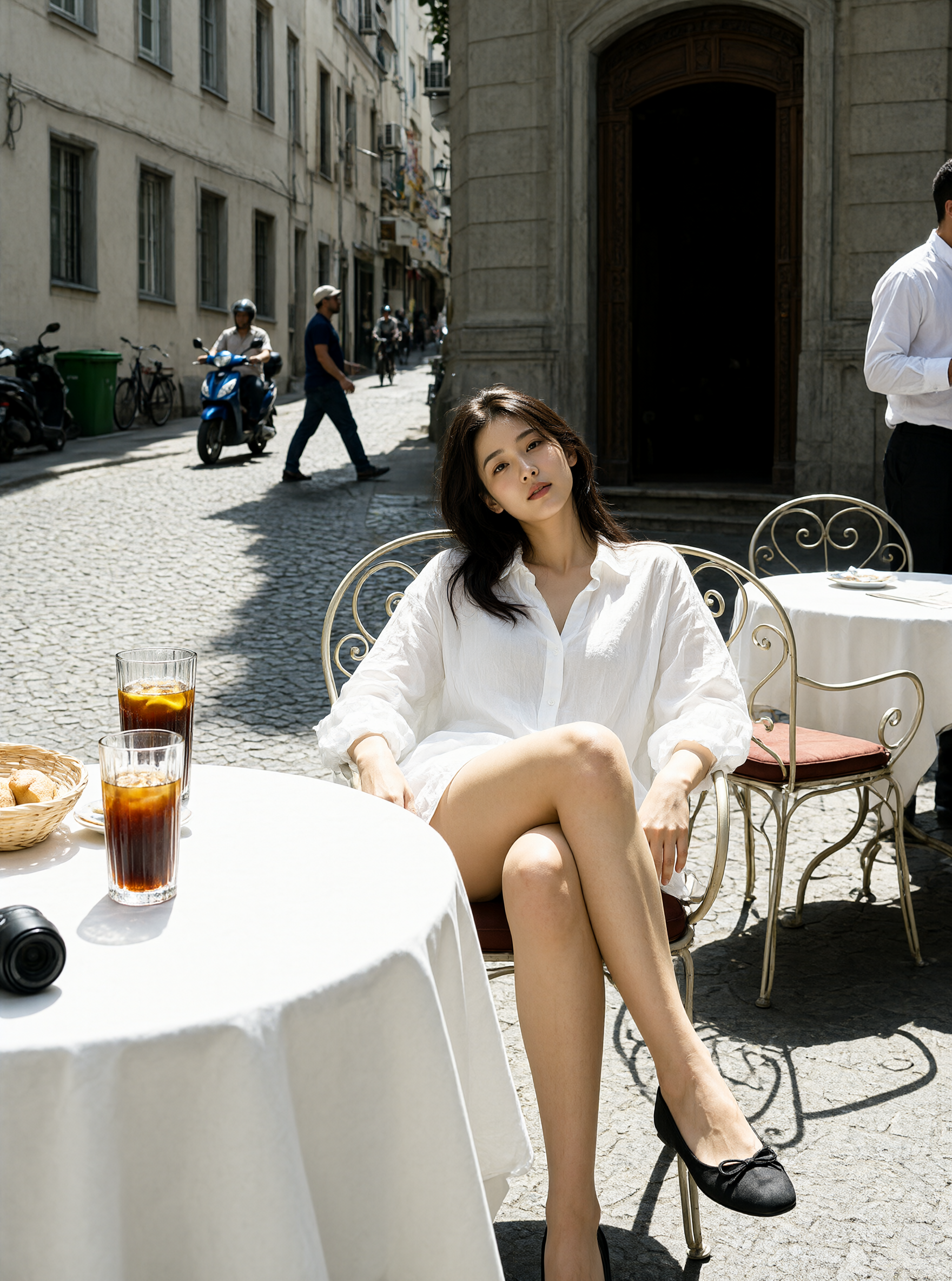
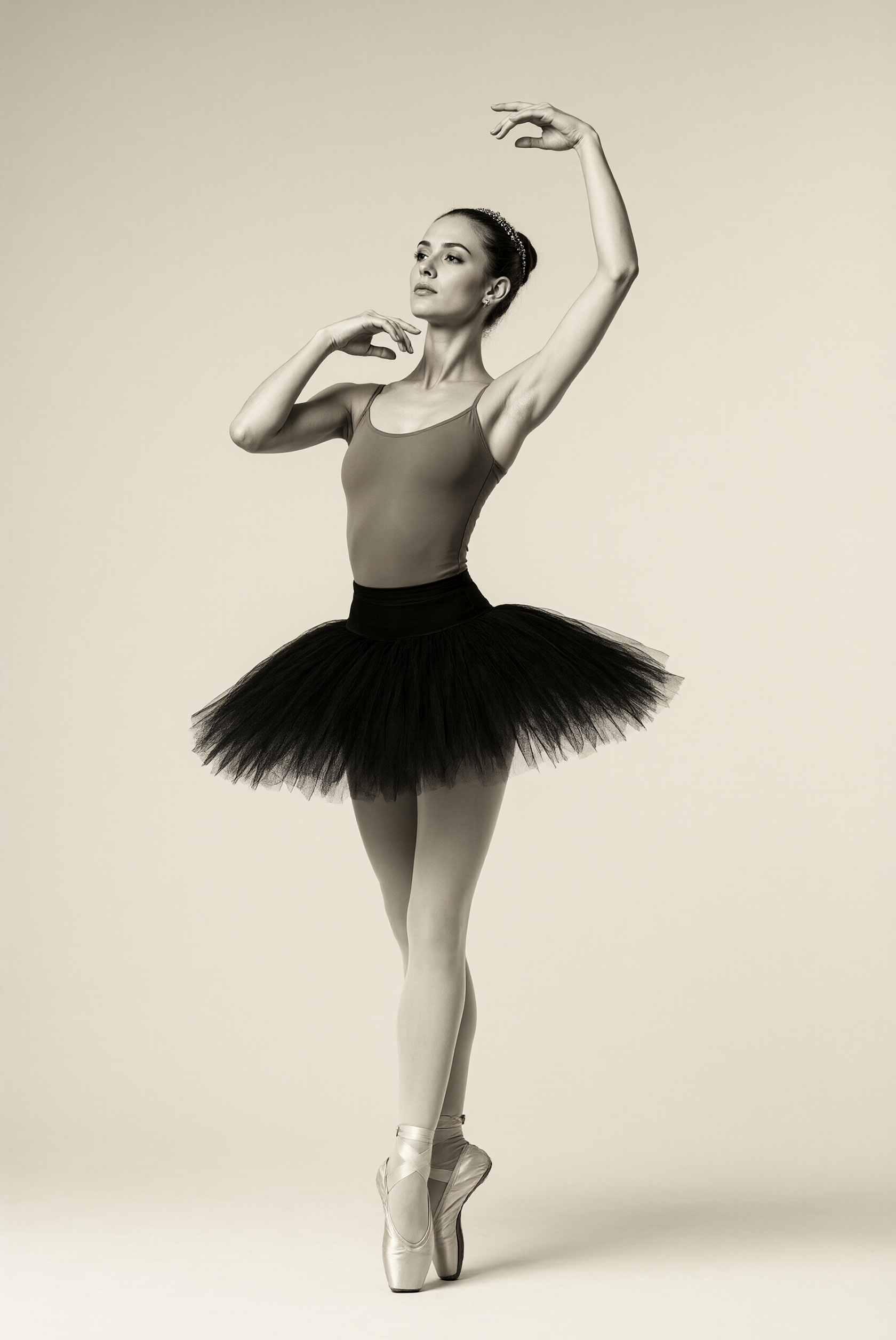
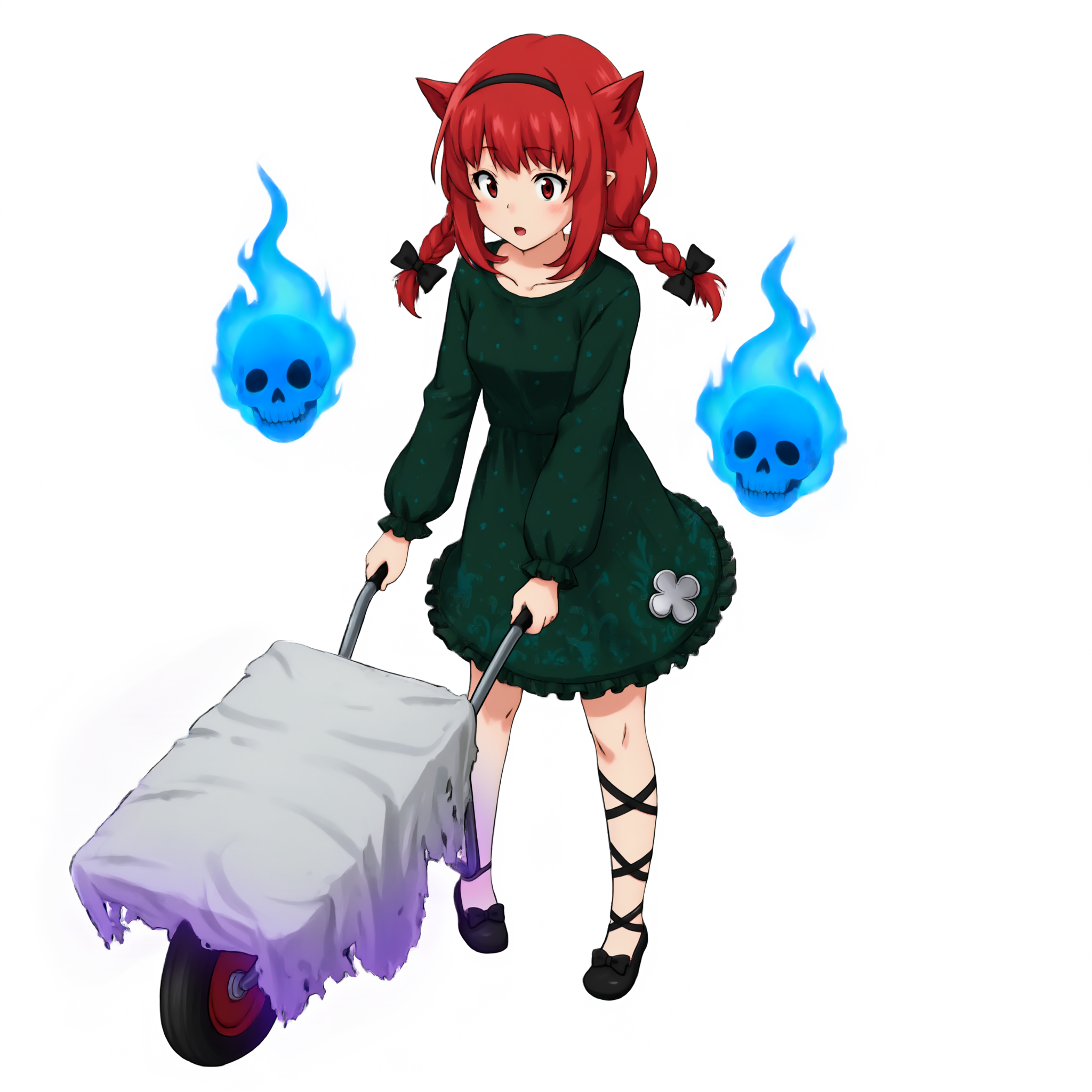
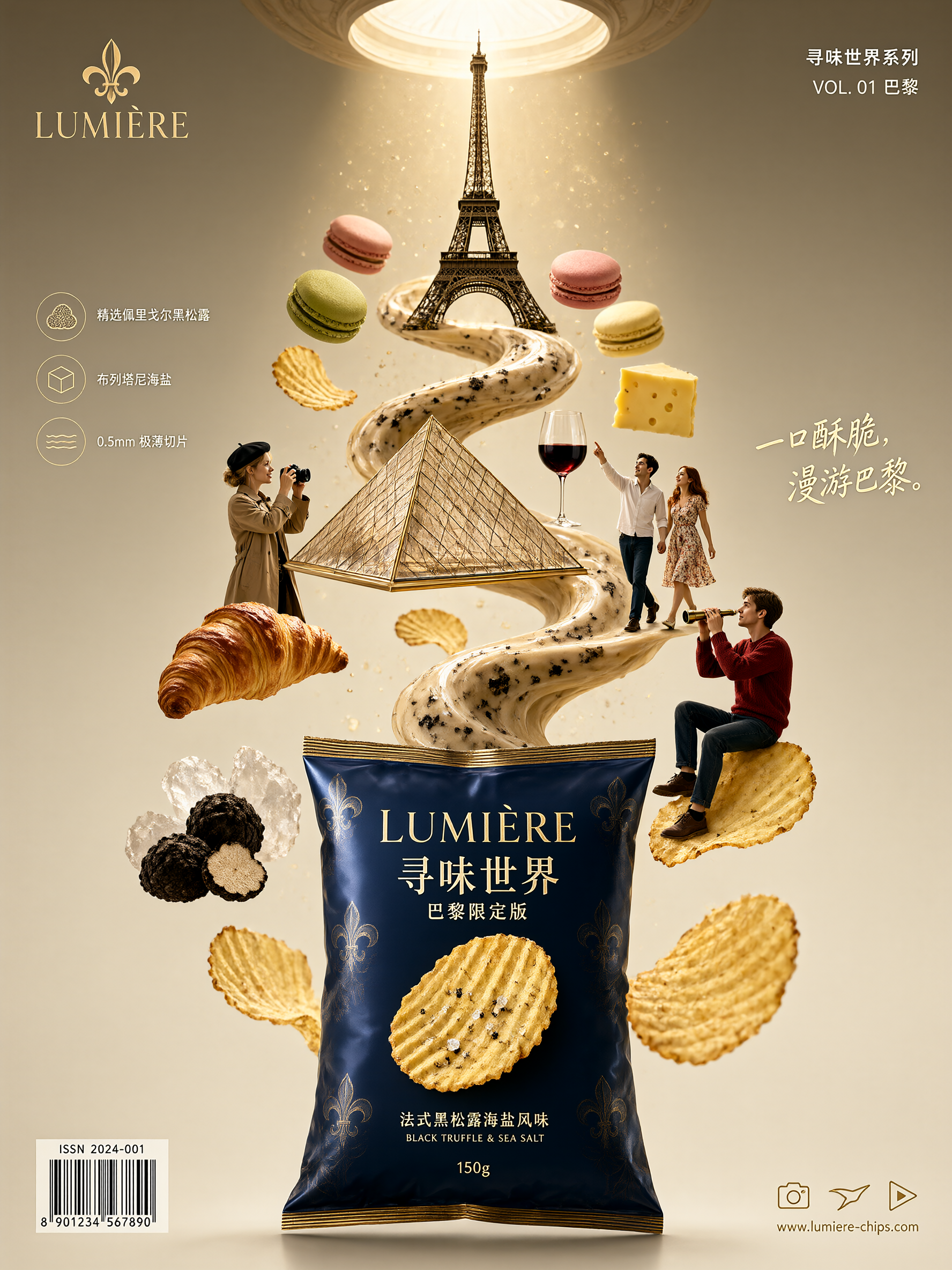
以下是我们 Turbo 展示中来自 8 步输出的示例。每个类别展示一个示例。
人像摄影
人物姿态与动作
透明图像生成
排版与海报设计
UI 与信息布局

单图转换
输入
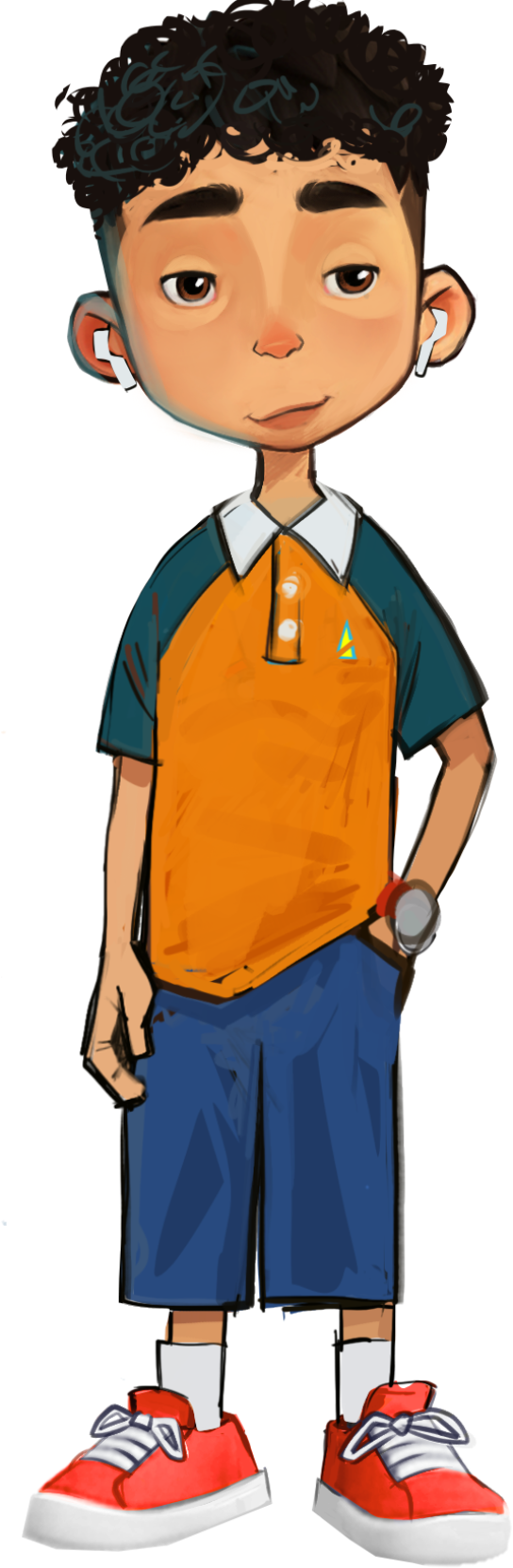
输出
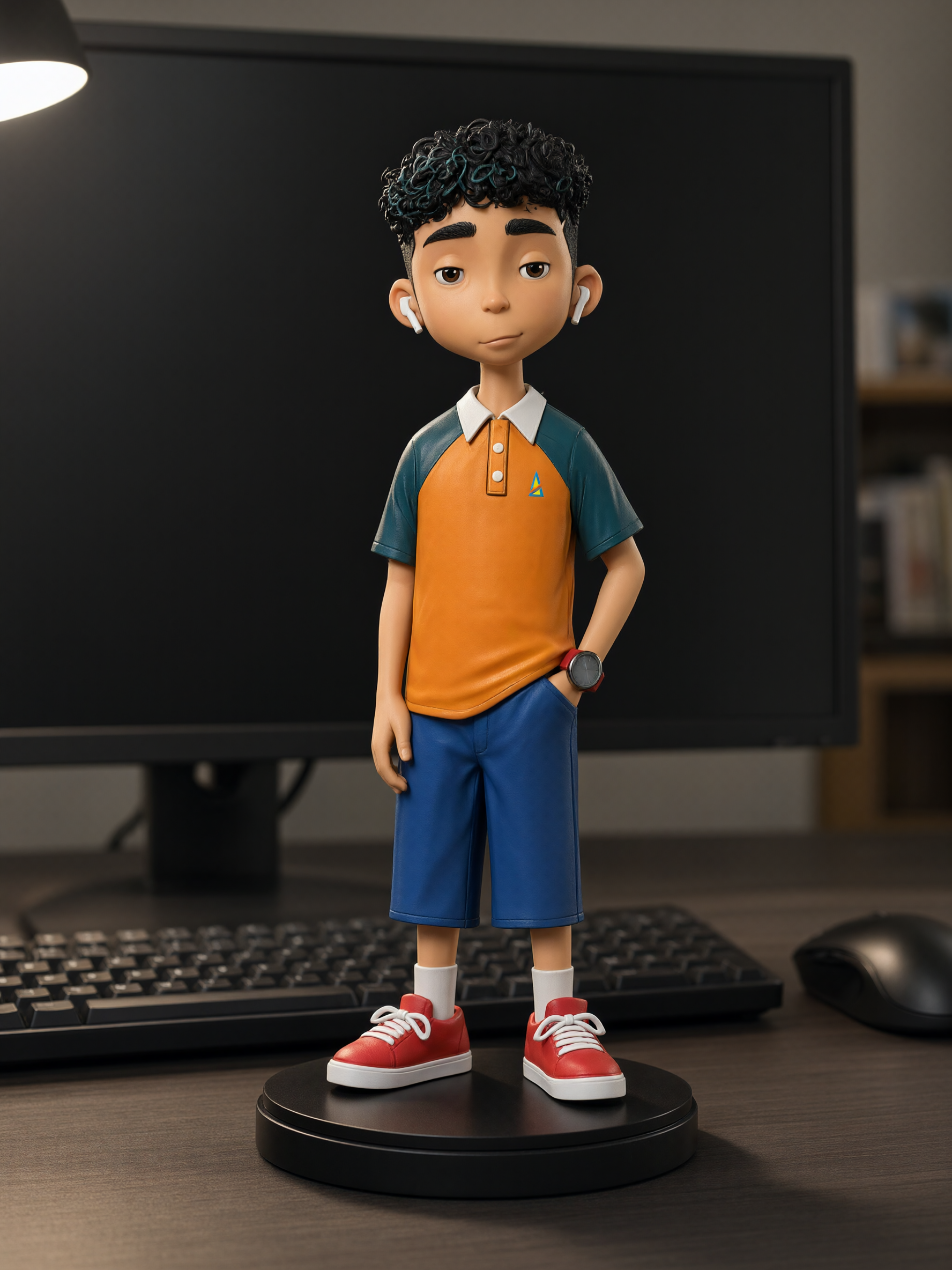
多参考合成
输入
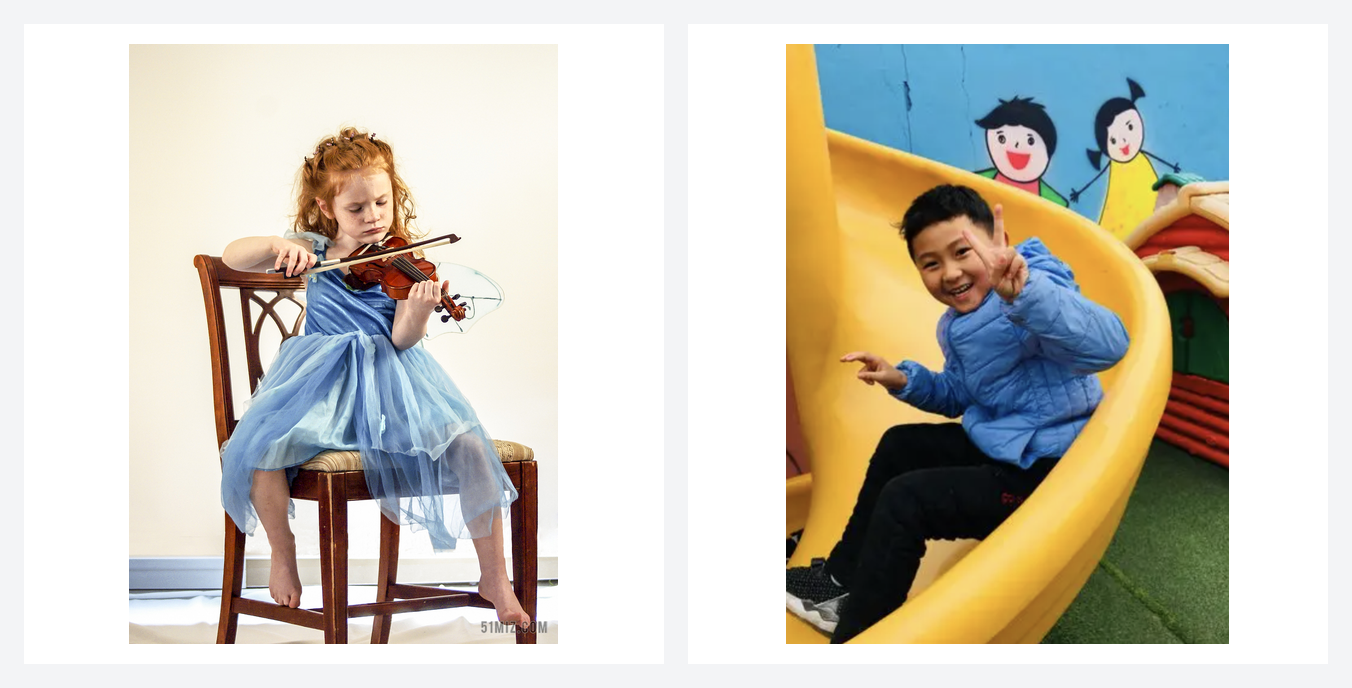
输出
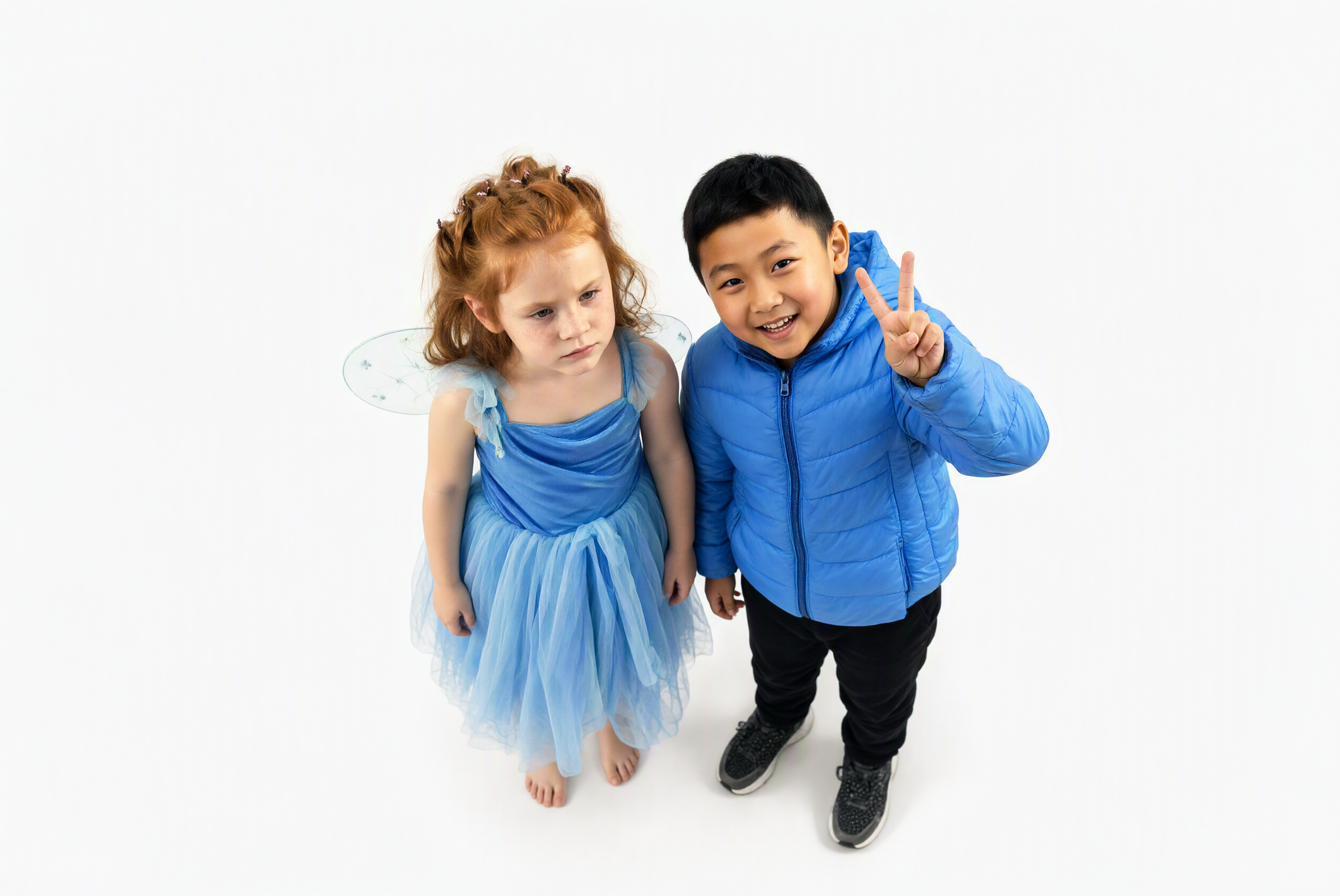
四图室内合成
输入
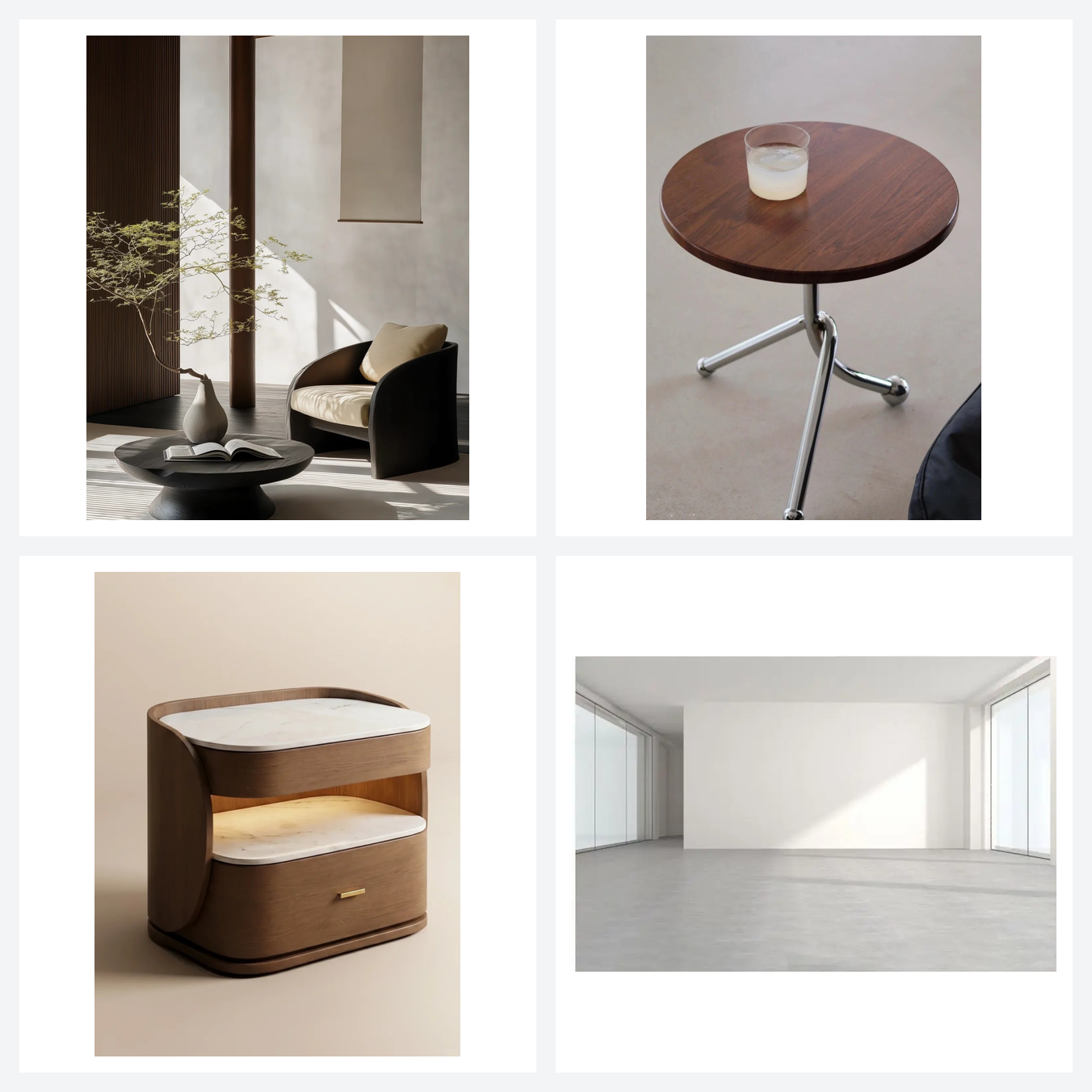
输出
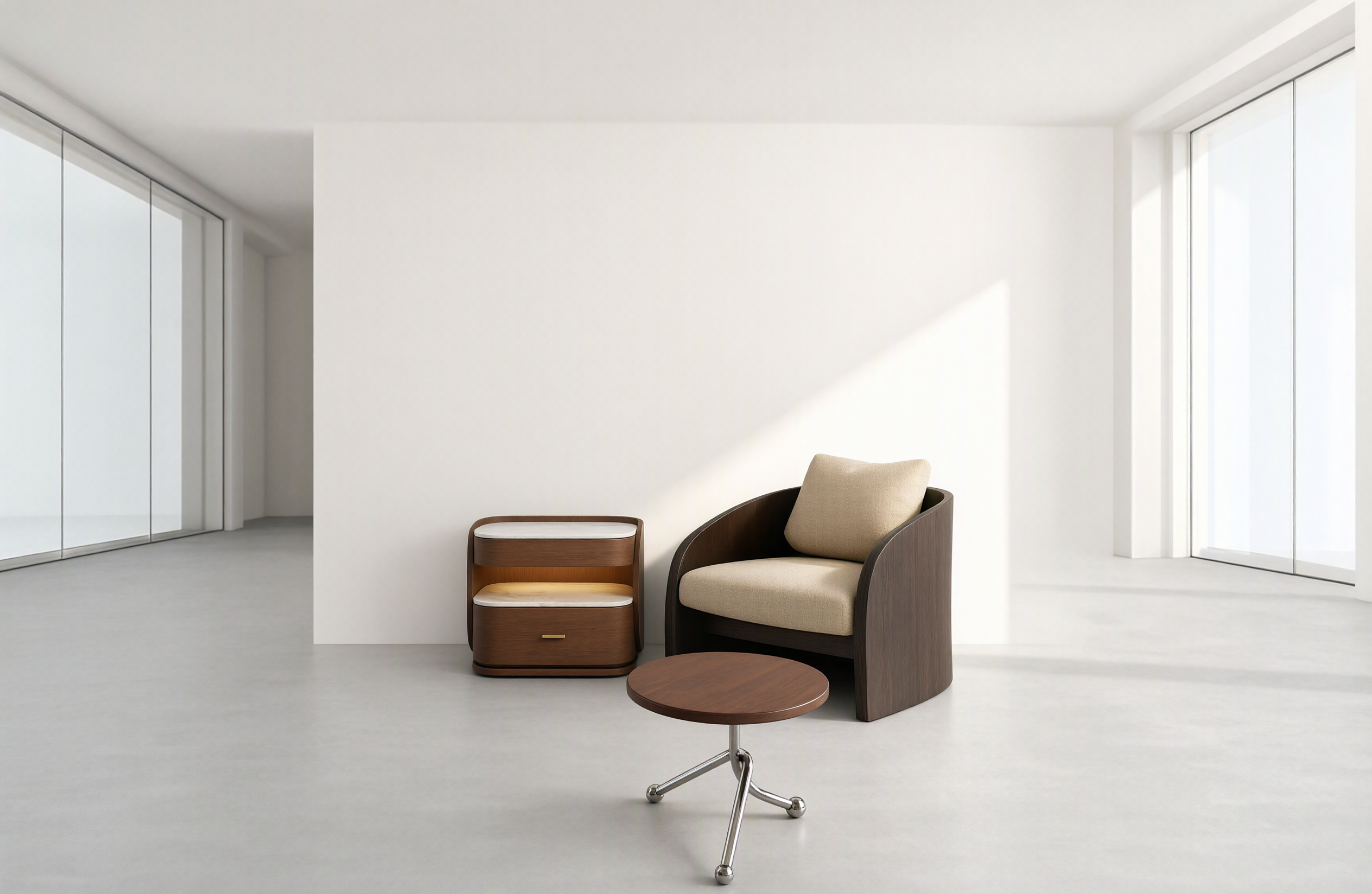
许可证
本模型遵循 Qwen 研究许可协议。
反馈
在使用 Qwen-Image-2.1-Turbo 时遇到问题? 我们的官方反馈表单可直接联系到 Qwen Image 研究团队。 分享您的提示词、图像或工作流程,帮助我们进行调查和改进。